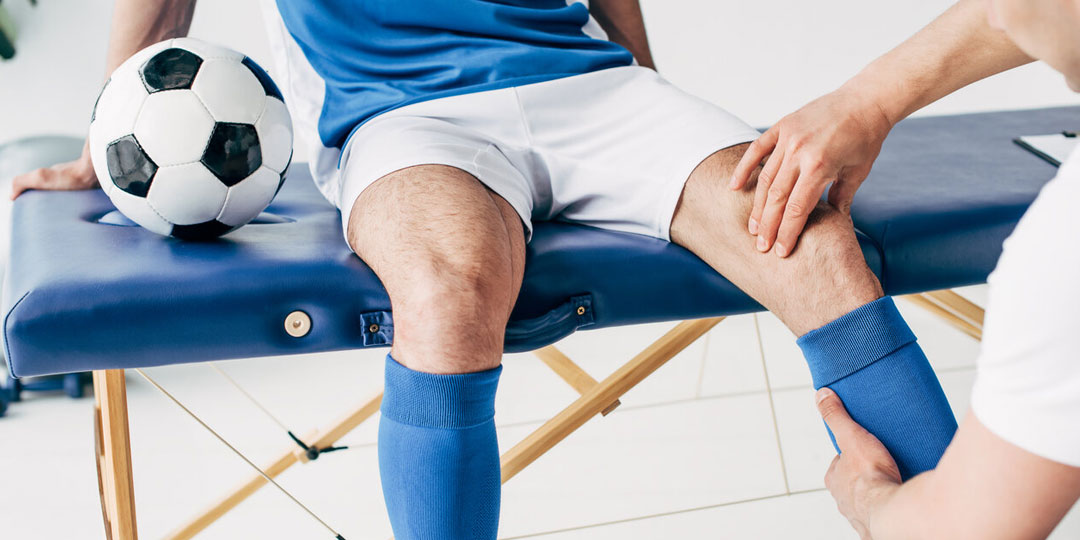
We provide structured, evidence-based rehabilitation for sports injuries, focusing on accurate diagnosis, targeted treatment, and a clear pathway back to performance. Our approach aims to reduce re-injury risk and build long-term strength, resilience, and capacity.
You should see a physiotherapist as soon as possible if you have severe pain, swelling, difficulty moving, or can’t put weight on the injured area. Signs like your joint feeling unstable, locking, or ongoing weakness shouldn’t be ignored. Getting it checked early can help prevent further injury and speed up your recovery.
Not always. Maintaining modified activity within acceptable pain limits helps preserve strength and function while protecting the injured tissue. Complete rest is rarely required unless specifically indicated.
Not always. Many sports injuries can be diagnosed through a thorough assessment without the need for scans. Imaging is only recommended if it will help guide treatment or rule out more serious issues.
Yes. Specific exercises can help improve your strength, neuromuscular control, and movement, which lowers your risk of injury. Gradually building your activity and staying consistent helps your body adapt and stay strong for sport
Returning to sport too early means your body may not be strong or stable enough to handle the demands. This can put extra stress on the injured area and increase the risk of re-injury. Proper rehabilitation helps you build strength and confidence so you can return safely.
Current Location
14 Dallas Parade, Keperra QLD 4054
(Inside Keperra Medical Centre)
New Clinic Opening August 2026
7 Dallas Parade, Keperra QLD 4054
Monday 9.30 to 7 pm
Tuesday 9.30 to 7 pm
Thursday 9.30 to 7 pm
Friday 9:30 am to 7 pm
Saturday 8.00 am to 12:00 pm
Copyright 2026 Recover to Rise Physio & EP. Developed by Empirical Solutions.