
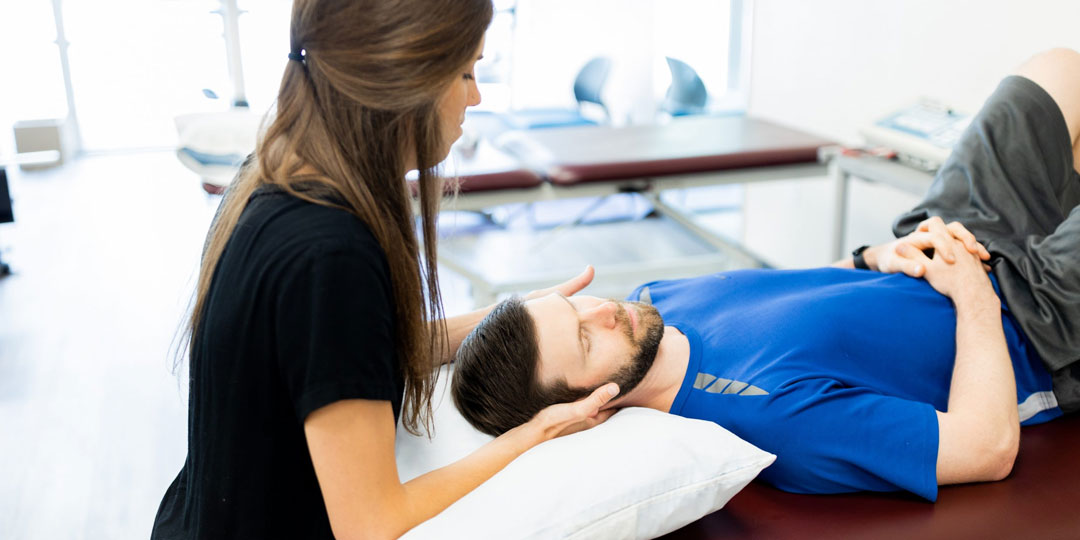
Vestibular therapy is an evidence-based approach to assess and treat dizziness, vertigo, and balance disorders. It focuses on retraining the brain and body to improve stability, reduce symptoms, and restore confidence in movement.
You should consider seeing a physiotherapist if your dizziness or vertigo is not going away, keeps coming back, or is affecting your balance and daily activities. It’s also important to get help if you feel unsteady, nauseous, or unsure when walking or moving your head. Getting it checked early can help identify the cause and start the right treatment sooner
Dizziness is a general feeling of being lightheaded, unsteady, or off-balance. Vertigo is a specific type of dizziness where you feel like you or the room is spinning. In simple terms, dizziness is a broad symptom, while vertigo is a spinning sensation often linked to the inner ear.
Your session will start with a simple assessment to understand your dizziness, balance, and what triggers your symptoms. Treatment may include gentle head and eye exercises, balance training, or specific techniques to settle vertigo. You’ll also be given easy exercises and advice to do at home to help your recovery.
It’s normal to feel slightly dizzy or off-balance for a short time after your session, especially when starting new exercises. You’ll be given simple exercises to continue at home, which are important for improving your balance and reducing dizziness.
You may feel slightly dizzy after your session, so it’s best to avoid driving if your symptoms are active or worsening. If possible, arrange a lift or bring a friend or family member to support you, especially for your first session.
For the first few days, sleep with your head slightly elevated and try to keep your head upright during the day. For about a week, avoid positions that trigger your dizziness and move slowly and carefully during daily activities.
Current Location
14 Dallas Parade, Keperra QLD 4054
(Inside Keperra Medical Centre)
New Clinic Opening August 2026
7 Dallas Parade, Keperra QLD 4054
Monday 9.30 to 7 pm
Tuesday 9.30 to 7 pm
Thursday 9.30 to 7 pm
Friday 9:30 am to 7 pm
Saturday 8.00 am to 12:00 pm
Copyright 2026 Recover to Rise Physio & EP. Developed by Empirical Solutions.